From data silos to actionable insights: Innovating within legacy constraints for the digital enterprise
Market View
Sponsored by:

Produced by:

Interview with
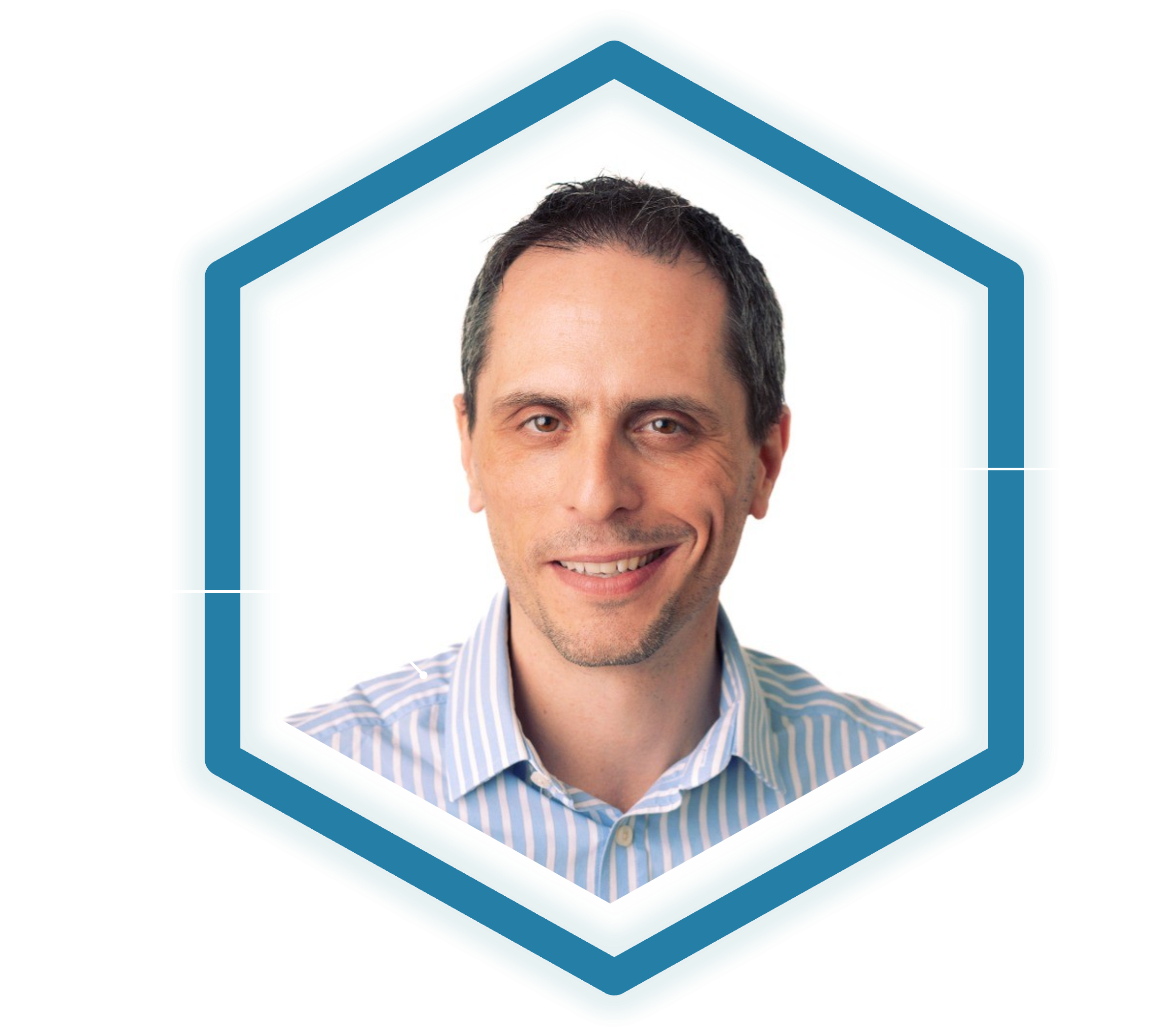
Nikos Balanis
HEAD OF DATA PLATFORM
CFC

about
Nikos
Balanis

Nikos Balanis is the Head of Data Platform at CFC, where he leads the company's data transformation initiatives. With over 15 years of experience in business intelligence and analytics, particularly in the insurance sector, Nikos specialises in building and optimising data architectures that drive business value. His expertise spans data governance, platform modernisation, and the strategic implementation of analytics solutions that enhance operational efficiency and decision-making capabilities.

‟
We track the benefits of every new implementation. For each piece of work, we document the expected outcomes and benefits. It's become an integral part of our process.
How is your organisation approaching the challenge of extracting more value from data while working with legacy systems?
We've implemented a consolidated data platform using Databricks as our central solution. Rather than having people access legacy systems directly, which can be challenging, we bring all the data together in one place. A key component is our data conformance and standardisation layer, which allows users to access information through a system-agnostic interface aligned with business understanding rather than technical storage structures.
The impact of this approach has been significant, particularly for teams like our actuaries. Previously, they struggled with extracting data from various databases and consolidating it in Excel, which presented limitations with large volumes and posed control issues with formula changes. Now, they can access all necessary data centrally, have implemented robust reconciliation checks, and are exploring new datasets that were previously inaccessible. This has not only improved efficiency but opened new possibilities for innovation.
What are the main challenges you face when integrating legacy systems, and how do you address them?
The primary challenges revolve around closed, monolithic systems that are difficult to break down or access directly. For instance, we still maintain some on-premise SQL databases, despite being 90-95% cloud-based. Integrating these on-premise services requires substantial network engineering effort and specialised implementation strategies, unlike our cloud-native services where integration is more straightforward.
To address these challenges, we've adopted both a risk-based and phased approach. When automating our claims border reconciliation process, we started by verifying that we had all the correct data points in the platform before moving to automation. Similarly, when updating broker contacts in our CRM system, we began with a subset of data, monitored the process, and then scaled up. This approach helps us mitigate risks and ensure data accuracy.


How do you ensure data quality and consistency across multiple systems?
We employ several strategies, starting with master data management to establish which system is the authoritative source for different data types. Data mapping is crucial when dealing with multiple systems that may have varying value ranges or terminology. We're also building a business glossary to ensure consistent terminology usage across the organisation.
Our focus on data governance has become increasingly important. We're implementing frameworks for data quality, classification, and access management. Training is another crucial component – we're rolling out extensive data and data culture training across the organisation next year, covering both technical aspects like visualisation tools and SQL, as well as non-technical training on data quality processes and their importance to our business.
Can you share an example of how your data platform has delivered tangible business value?
One of our most impactful examples where the data platform delivers value involves our actuarial team. Using data and Machine Learning infrastructure available through the data platform, the actuarial team has built a propensity-to-buy model which helps underwriters prioritise quotes for clients that are more likely to "buy". This allows CFC as a company to focus our resources on the right opportunities and therefore increase our overall revenue and conversion rate.
In general, we systematically track the benefits of every new implementation, documenting expected outcomes and benefits. When new items are added to our backlog, we always start with fundamental questions about purpose and return on investment, which helps us prioritise initiatives and demonstrate value to the business.

‟
The perpetual challenge is resource constraints - you never quite feel you have enough people or budget for everything you want to accomplish or have been tasked with.

‟
Building a data platform without an established governance framework is particularly complex - it's like trying to play by rules that haven't been fully written yet.
Looking ahead, what's your vision for data utilisation in your organisation, and what steps are you taking to achieve it?
My ultimate goal is to democratise data access across the organisation, enabling everyone to directly access the information they need for their job without depending on a central data team. This vision requires careful balance between accessibility and governance. We're currently building our data standardisation layer while simultaneously focusing on data cleansing to ensure this layer is clean and safe for everyone to use.
Data governance has become a cornerstone of our strategy. We've recognised that building a data platform without an established governance framework is particularly challenging – it's like trying to play by rules that haven't been fully written yet. To address this, we're implementing comprehensive governance frameworks that will roll out next year. This includes creating business glossaries for consistent terminology, establishing data quality standards, implementing classification systems, and managing access controls.
The human element is equally crucial in this transformation. We're launching an extensive data and data culture training programme across the organisation next year. This will include technical training tailored to specific roles – from using visualisation tools like Qlik and Power BI to conducting data analysis and utilising SQL. Equally important is the non-technical training that helps everyone understand their role in maintaining data quality and its significance to our organisation.
These initiatives are part of our broader strategy to enhance our data capabilities while maintaining robust security and compliance standards. In our cybersecurity insurance business, we're not just providing financial protection – we're leveraging our data platform to offer proactive threat monitoring and response services. Our dedicated Proactive Cyber team monitors intelligence resources, including the dark web, to prevent potential attacks on our customers. This comprehensive approach to data utilisation demonstrates how we're evolving from a traditional insurance provider to a technology-driven risk management partner.
about
CFC
CFC is a specialist insurance provider and pioneer in cyber insurance solutions, particularly focused on serving small and medium enterprises. The company combines traditional insurance expertise with cutting-edge technology to deliver comprehensive cyber protection. Beyond providing financial coverage, CFC offers proactive cyber security services, including real-time threat monitoring and incident response support, making them a leader in technology-driven insurance solutions.
We are the global market leader in geographic information system (GIS) software, location intelligence, and mapping.
Esri UK is the exclusive provider of Esri solutions in the UK. We take a geographic approach to problem-solving, brought to life by modern GIS technology. We are committed to using science and technology to build a sustainable world.

Share this page