From data silos to actionable insights: Innovating within legacy constraints for the digital enterprise
Market View
Sponsored by:

Produced by:

Interview with
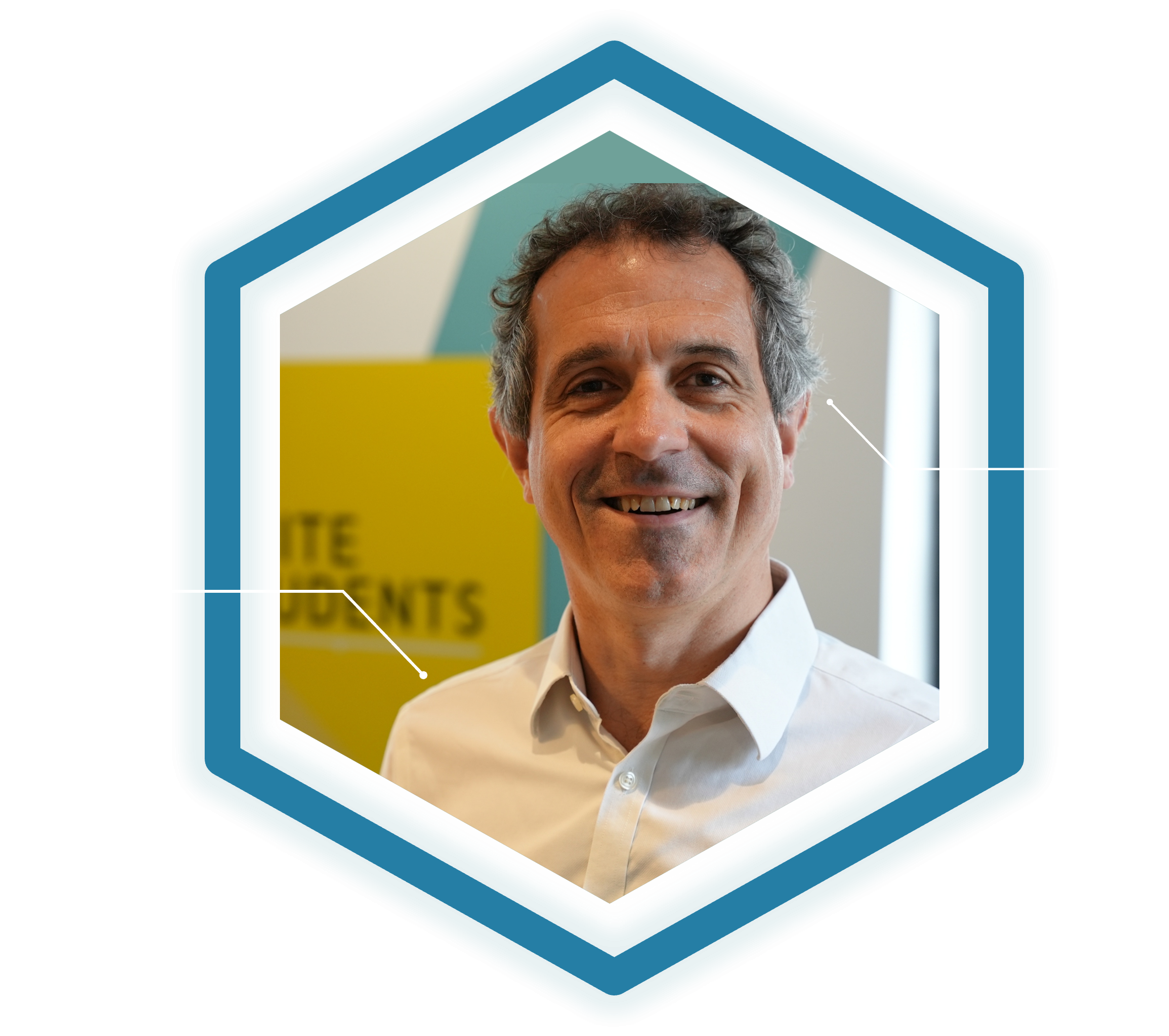
James Maunder
DIRECTOR OF TECHNOLOGY AND DIGITAL
UNITE STUDENTS
about
James
Maunder

James Maunder serves as Director of Digital and Information Technologies at Unite Students, the UK's leading provider of purpose-built student accommodation. With over 25 years of technology leadership experience across Healthcare, Publishing, FMCG, Retail, and Manufacturing sectors, James specialises in building high-performing teams, fostering innovative cultures, and delivering transformative digital strategies. His expertise in solving complex technological challenges while maintaining operational excellence has been instrumental in driving digital transformation initiatives across various industries. He is also an Expert Practitioner at HiveMind Network and a Chief Disruptor Member.
How is your organisation approaching data management and value extraction while working with legacy systems?
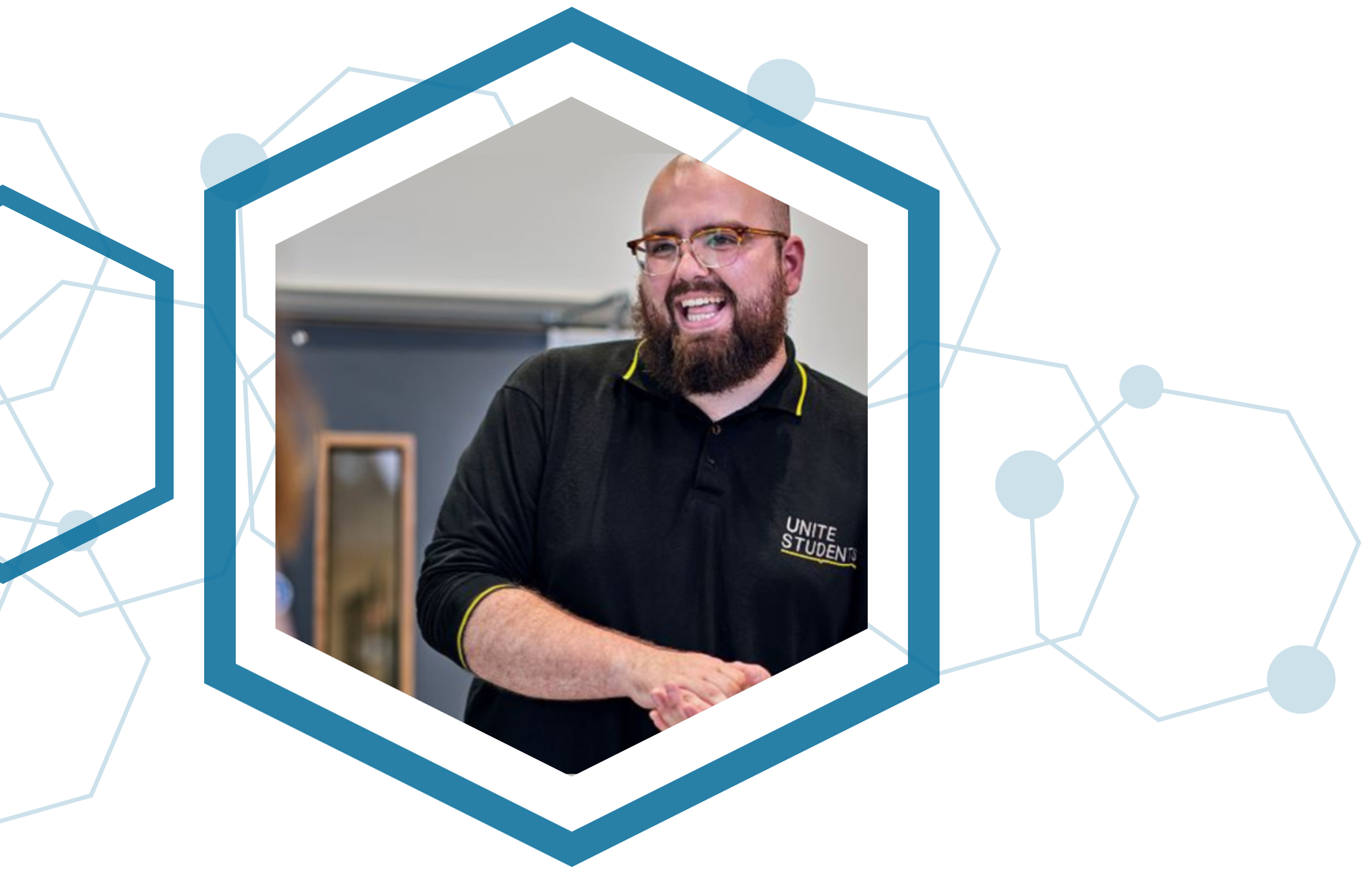
Our focus has shifted from worrying about systems to establishing strong data governance and stewardship. Much of this has been led by our Head of Insight, Kim Nisbett, and her team. We've invested considerable effort in defining our business data model and establishing clear definitions for our master data elements. Take the term 'asset' for example - it can refer to a building, a bed, or even a tree outside. We've implemented a structure with active data stewards who work collaboratively across the organization. This approach moves beyond traditional siloed data ownership to foster a shared understanding that transcends the limitations of our existing systems.
‟
We've put an awful lot of effort into defining our data and then putting governance around that data. We prefer not to talk about data ownership, because ownership confers a degree of 'it's my data, not your data.
You've mentioned that self-limiting beliefs often pose bigger obstacles than technical constraints. How do you address these challenges?
Organizations often tell themselves stories about what can't be done due to technological limitations or data quality issues. I've found it invaluable to approach these situations with genuine curiosity, asking people to unpack their assumptions. When you dig deeper, you typically discover that the barriers are more about skills, capabilities, or procedures rather than pure technical limitations. For instance, at a previous employer, we found teams had implemented manual workarounds believing certain functionality didn't exist, when it actually did. This highlighted the importance of properly documenting and systematising organisational knowledge rather than letting it remain as tribal knowledge that gets lost during staff transitions.
How are you leveraging existing data and systems for innovation?
We're actively leveraging data from multiple existing systems to drive innovation. While we have several systems managing assets rather than a single designated master system, we're using data from these sources to enhance processes, such as identifying patterns in bookings through advanced analytics. Similarly, in my previous healthcare role, we integrated data from various legacy systems to create new datasets that provided valuable insights into health outcomes. By identifying trends and linking datasets, we were able to explore the impact of different treatment approaches and other influencing factors.
‟
The ability to have a control room and see a 3D representation and visualisation of my building, and just see at a glance which rooms are ready for occupation, which rooms aren't, would be hugely transformational for us.
How do you see location-based data enhancing your operations, particularly in student accommodation management?
The potential is significant for our 150-plus buildings across the UK. During our summer turnover period, when one cohort leaves and another arrives, we need to manage room maintenance and preparation efficiently. Having a control room with 3D visualisation of our buildings would be game-changing, allowing us to see at a glance which rooms are ready for occupation, which have maintenance issues, and track progress in real-time. We're taking a deliberately measured approach to 3D implementation, recognising that there's still significant value we can extract from 2D capabilities. The real value of 3D visualisation comes from enabling users to synthesise data insights more readily. Understanding spatial relationships - like a room's location on the northern side of a building or its proximity to potential maintenance issues - enables quicker, more insightful decisions that ultimately help us better serve our students' needs.
How are you addressing data accessibility and democratisation across your organisation?
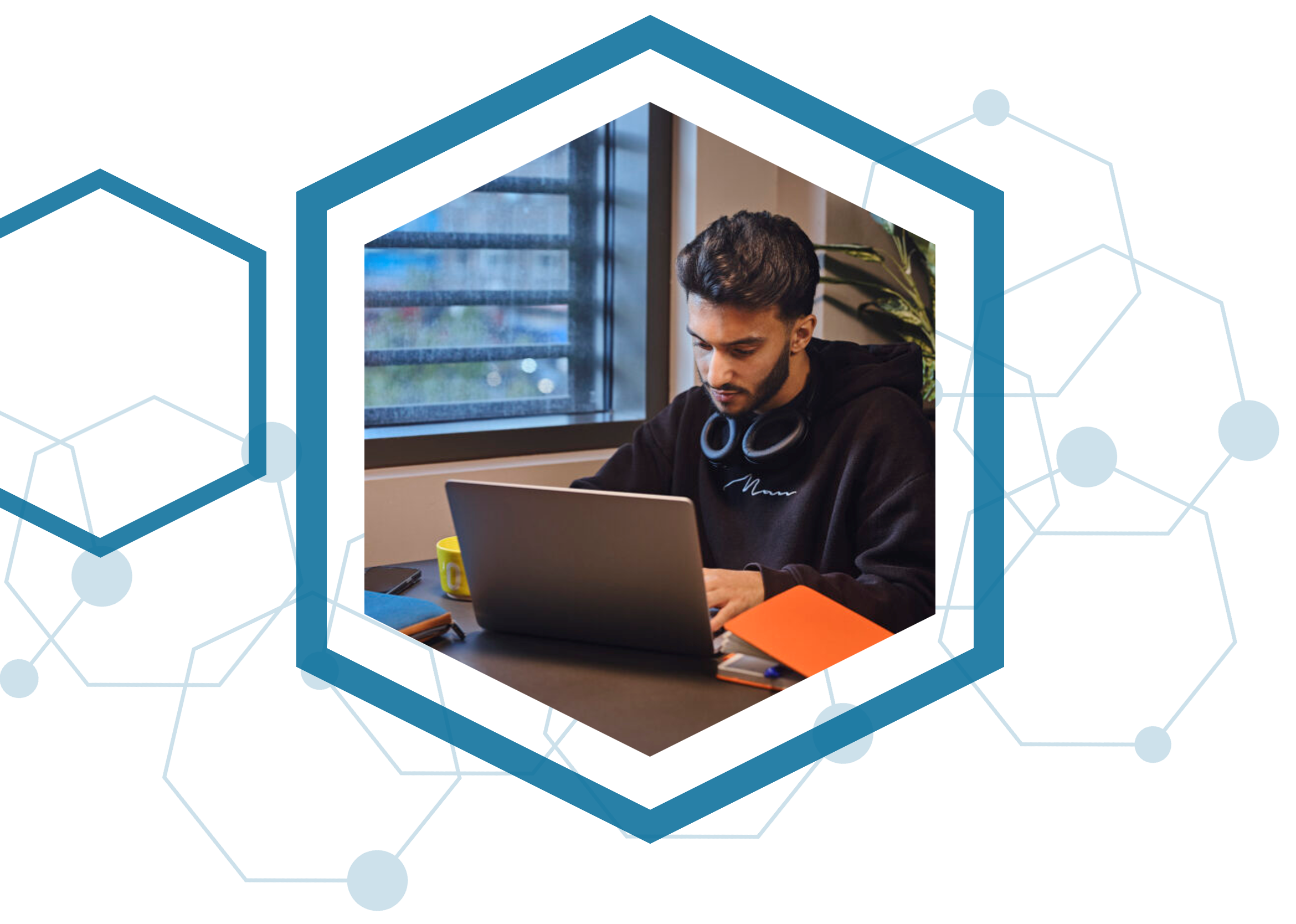
We recognise that our data isn't as accessible as it should be, and there's too much reliance on institutional knowledge. Through tools like Databricks and Tableau, we're working to democratise data consumption. Instead of people needing to consult the data analytics team for answers, we're marshalling data to enable self-service. This allows our data teams to focus on higher-value work of preparing data for this self-service approach. The improvement in data quality comes primarily from human engagement. We're establishing data stewards with proactive, supportive governance frameworks and equipping them with corporate data models and standards. It's about having meaningful conversations around definitions and interrelationships - for instance, when we talk about a room, do we mean a space for one student? How many different types of beds do we have? By providing our teams with the right governance framework, positive attitude, and appropriate tools, we can achieve excellent quality and consistency in our data management.

‟
Data quality and consistency - fundamentally, I think it's a human endeavour. If we provide humans with the right governance framework, can-do attitude, and the right tooling, then we can get to really great quality and consistency.
Looking ahead, what steps are you taking to prepare your organisation for future data utilisation?
We're focusing initially on upskilling our community of data stewards and custodians, ensuring they're well-supported and equipped with the necessary skills. As we move through 2025 and towards 2026, alongside our ambition to democratise data use, we will be increasing data literacy across the entire organisation. Where it becomes particularly exciting is when we consider combining our digital building experience with the digital student experience. This integration could help students live more secure, successful lives both within and outside our buildings. We're exploring ways to be a positive force in students' lives even when they're not in our buildings, such as providing real-time security information to suggest safer routes or alternative transportation options. We could even integrate features like offering discounted ride-sharing services when security risks are identified in certain areas. It's not about being paternalistic - it's about enabling students to make informed decisions that enhance their university experience and ensure their safety throughout their academic journey.
about
Unite
Students

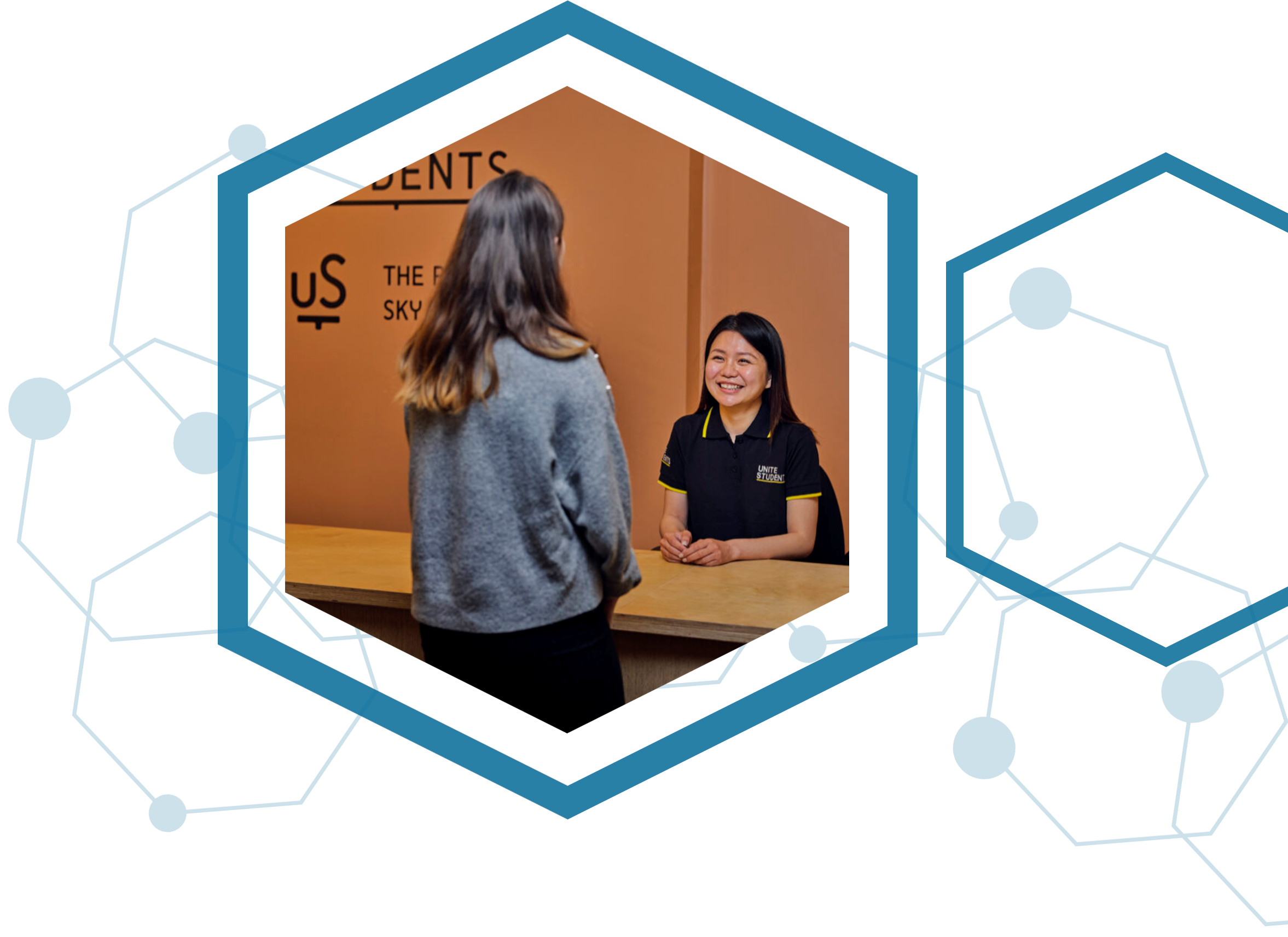
Unite Students is the UK’s largest owner, manager, and developer of purpose-built student accommodation. It provides the perfect home for 68,000 students across 23 cities and works closely with 60+ university partners. It offers a Home for Success to all residents. This means having space to grow and thrive, with access to the right support if needed. As the pioneer of PBSA, Unite Students continuously innovates to improve the student experience while leading the sector through insights and research.
We are the global market leader in geographic information system (GIS) software, location intelligence, and mapping.
Esri UK is the exclusive provider of Esri solutions in the UK. We take a geographic approach to problem-solving, brought to life by modern GIS technology. We are committed to using science and technology to build a sustainable world.

Share this page